ealexandra
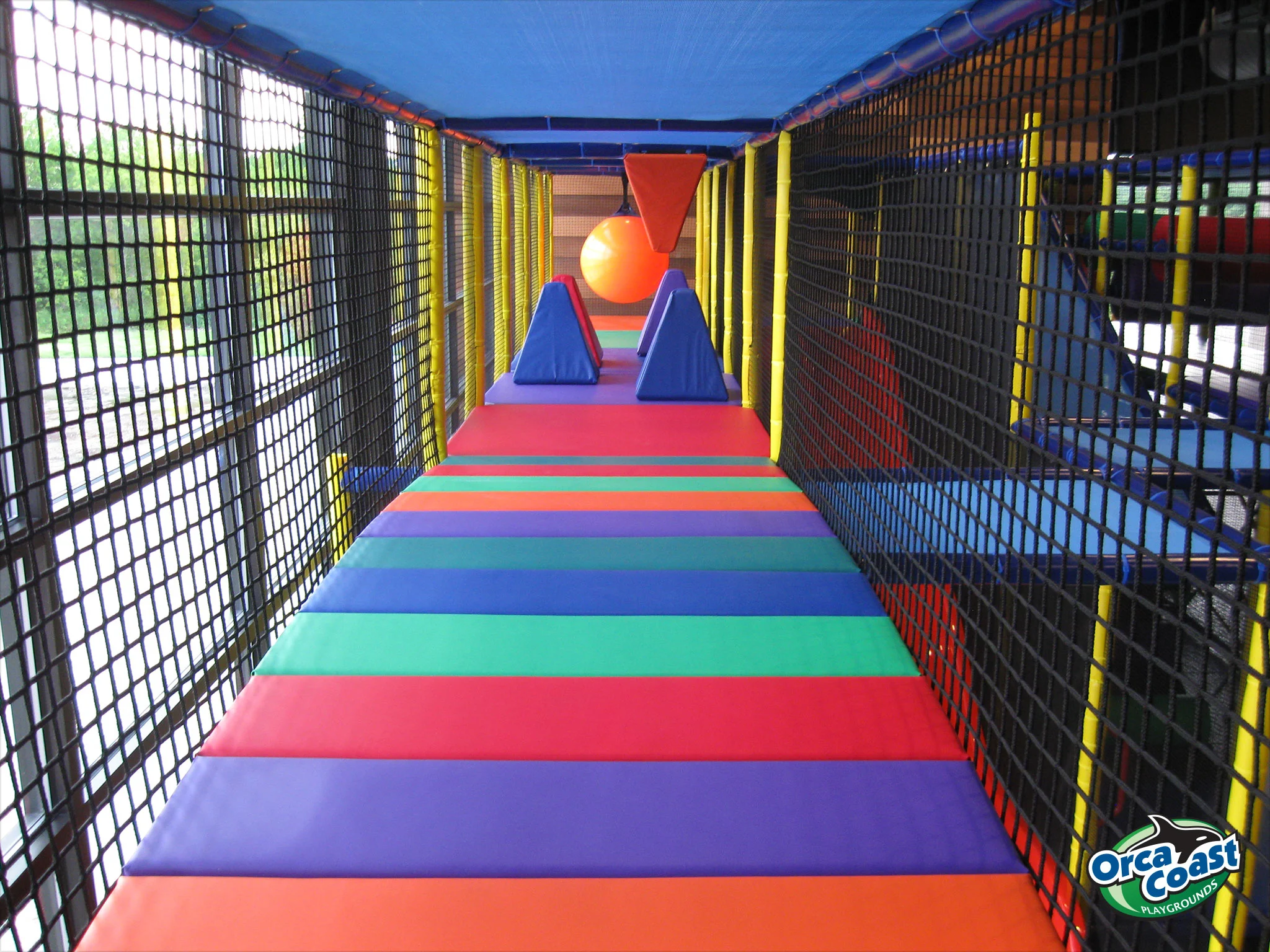

Starting an indoor playground business can be an exciting opportunity for entrepreneurs looking to create a destination for families while building a scalable business. As demand for indoor play, family entertainment centers (FECs), and play cafés continues to grow, many investors and operators are exploring what it takes to launch a successful facility.
While choosing playground equipment is an important part of the process, a successful indoor playground starts long before installation day. From selecting the right location to developing a business plan and partnering with an experienced indoor playground manufacturer, every decision impacts your long-term success.
In this guide, we’ll walk through the key steps involved in opening an indoor playground business.
Step 1: Define Your Indoor Playground Business Model
Before designing your space, determine what type of facility you want to operate.
Common indoor playground business models include:
- Family Entertainment Centers (FECs)
- Indoor Play Cafés
- Children’s Activity Centers
- Community Recreation Facilities
- Daycare and Childcare Play Areas
- Fitness Centers with Kids’ Zones
Each model has different space requirements, revenue streams, and customer expectations.
Questions to consider:
- What age groups will you serve?
- Will food and beverages be offered?
- Will birthday parties be a major revenue source?
- Will you include attractions beyond soft play?
A clear business model creates a stronger foundation for your indoor playground business plan.
Step 2: Choose the Right Location
Location is one of the biggest factors influencing the success of an indoor playground.
When evaluating a space, consider:
- Population density
- Family demographics
- Parking availability
- Visibility and accessibility
- Ceiling height
- Existing competition
Many new operators focus primarily on square footage, but ceiling height can be equally important. Vertical play structures often allow facilities to maximize capacity and play value within a smaller footprint.
An experienced indoor playground design company can help assess whether a space is suitable before committing to a lease.
Step 3: Understand Indoor Playground Startup Costs
One of the most common questions operators ask is:
“How much does it cost to start an indoor playground business?”
The answer depends on several factors:
- Facility size
- Customization level
- Theming requirements
- Installation complexity
- Additional attractions
- Local construction requirements
Startup costs may include:
- Leasehold improvements
- Indoor playground equipment
- Flooring and safety surfacing
- Permits and inspections
- Furniture and seating areas
- Party rooms
- Marketing and branding
Working with an indoor playground manufacturer early in the planning process can help establish realistic budgets and avoid costly design revisions later.
Step 4: Create an Effective Indoor Playground Layout
A successful indoor playground is about more than fitting equipment into a room.
Design considerations include:
Traffic Flow
Guests should move naturally throughout the facility without creating bottlenecks.
Age Separation
Dedicated zones for toddlers and older children improve safety and enhance the guest experience.
Parent Visibility
Parents appreciate layouts that allow them to supervise children comfortably.
Revenue Areas
Party rooms, cafés, and seating zones should be strategically integrated into the overall design.
Custom indoor playground design allows operators to maximize both play value and operational efficiency.
Step 5: Partner with the Right Indoor Playground Manufacturer
Not all playground suppliers offer the same level of support.
When evaluating an indoor playground manufacturer, look for a company that provides:
- Custom design services
- Commercial-grade equipment
- Safety compliance expertise
- Manufacturing capabilities
- Installation support
- Long-term project experience
A manufacturer that participates in the design process can help ensure your playground aligns with your business goals, target audience, and facility requirements.
Step 6: Focus on Long-Term Guest Experience
The most successful indoor playgrounds encourage repeat visits.
Features that contribute to long-term engagement include:
- Multi-level play structures
- Interactive play elements
- Themed environments
- Rotating activity zones
- Flexible party spaces
Creating memorable experiences helps increase word-of-mouth referrals and customer loyalty.
Why Planning Matters
Many indoor playground projects begin with a vision but succeed because of careful planning.
The right location, business model, layout strategy, and manufacturing partner can significantly impact your operational efficiency and long-term growth.
Whether you’re launching a play café, family entertainment center, community recreation facility, or childcare center, investing time in the planning stage can help create a stronger foundation for success.
Planning an Indoor Playground Project?
At Orca Coast Playground, we work with entrepreneurs, developers, and operators to design and manufacture custom indoor playgrounds for commercial facilities worldwide.
From concept development and layout planning to manufacturing and installation, our team helps bring indoor playground projects to life.
Contact Orca Coast Playground Ltd to discuss your project and request a custom concept design. Let’s talk!